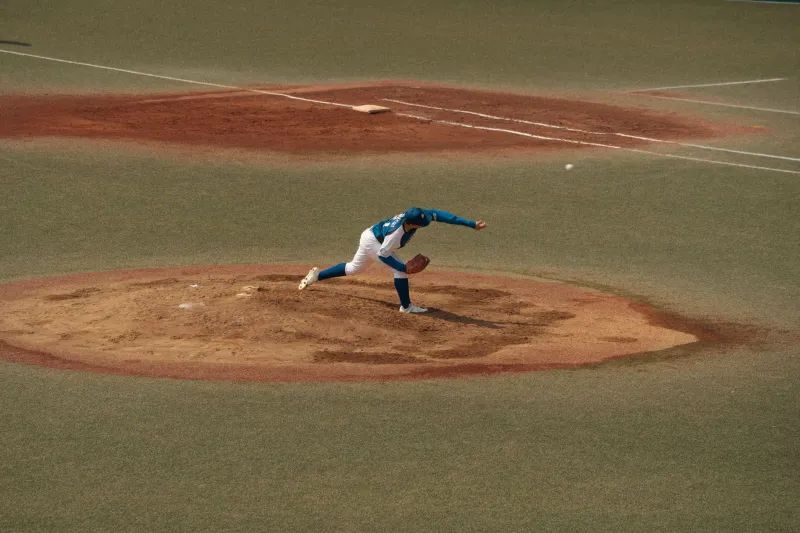
Off the Radar and Into the Majors: The Hidden Baseball Academies Producing Tomorrow's Stars
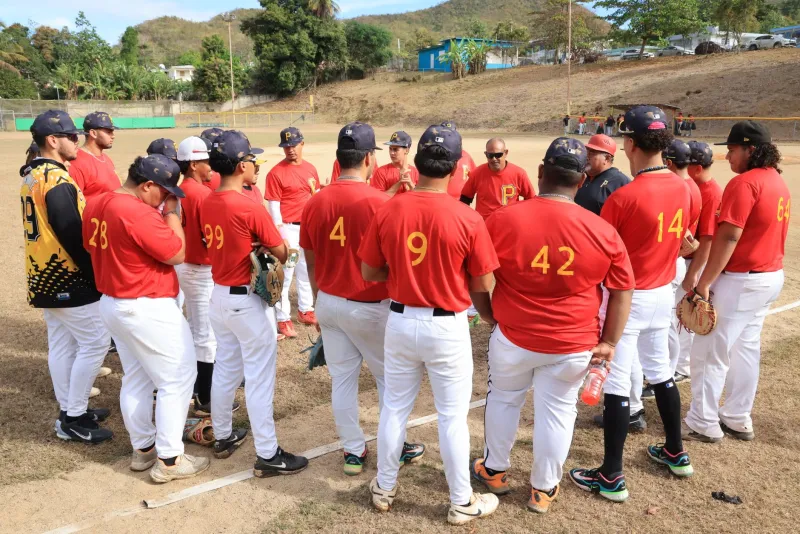
The Draft Is Only Part of the Story
Every June, baseball fans tune in to watch their teams make picks in the MLB Draft, debating college arms and high school bats like they're fantasy football sleepers. It's a whole thing. And it matters — the draft produces real major leaguers.
But here's what doesn't get nearly enough attention: a significant portion of the players who will define the next decade of Major League Baseball will never appear in a draft board. They'll sign at 16 out of a Dominican academy. They'll come through a Korean development system that's been quietly producing elite shortstops for fifteen years. They'll emerge from a Venezuelan program operating out of a facility that most American fans couldn't find on a map.
The international talent pipeline isn't a supplement to how MLB builds rosters. For a lot of franchises, it's becoming the primary engine.
The Dominican Republic: Still the Gold Standard
Let's start where the conversation always starts — the Dominican Republic, which has been producing MLB talent at a remarkable rate since the 1950s and shows absolutely no signs of slowing down.
The academy system there is genuinely unique in global sports. Almost every MLB team operates a physical training complex in the DR, usually somewhere in the Santo Domingo corridor or the surrounding provinces. These aren't just tryout facilities. They're full development operations — housing, nutrition programs, English language instruction, and multi-year development tracks for players as young as 14 and 15.
The competition to sign the best Dominican prospects is fierce and has gotten more structured following a series of rule changes around international signing periods and bonus pool caps. Teams that used to throw seven-figure bonuses at 16-year-olds relatively freely now have to be more strategic about how they allocate international bonus money. That's actually shifted the dynamic in interesting ways — scouts who can identify talent earlier and develop it more effectively have become more valuable than scouts who just show up with a big check.
Recent stars like Juan Soto, Fernando Tatis Jr., and Wander Franco all came through this pipeline, and there are dozens of players at various minor league levels right now who were signed out of the DR as teenagers and are quietly working their way toward Cooperstown-caliber careers.
Venezuela: Resilience in the Face of Chaos
Venezuela's baseball tradition is deep and proud, and the country has produced an extraordinary number of MLB stars over the decades — Miguel Cabrera, Pablo Sandoval, Felix Hernandez, Ronald Acuña Jr. The list goes on and on.
What makes Venezuela's current situation complicated is the broader economic and political instability that's affected the country over the past decade. Several MLB academies scaled back or restructured their Venezuelan operations during the worst of the economic crisis. Travel logistics became difficult. Safety concerns were real.
But the talent never stopped. If anything, the adversity has produced players with a particular kind of mental toughness that scouts have started to explicitly factor into their evaluations. Kids coming out of Venezuelan academies today have often been grinding through difficult circumstances for years before they ever step foot on an MLB-affiliated complex. That background shapes a player.
Teams that maintained their Venezuelan presence through the difficult years — the Dodgers, the Cardinals, the Astros — are now seeing the returns on that long-term commitment.
Asia: More Than Just Posting Fees
The conventional narrative about Asian talent in MLB goes something like this: a Japanese or Korean star emerges, their team posts them, an American team pays a huge posting fee, and then the player comes over and either dominates or struggles with the transition.
That's a real phenomenon — Shohei Ohtani's arrival being the most spectacular example in recent memory — but it's only a fraction of the actual talent flow between Asia and the major leagues.
Japan's NPB has an incredibly sophisticated player development system, and there are players at every tier of that system who could contribute at the MLB level. The challenge has historically been the posting system's cost structure, which made it economically impractical for smaller-market teams to pursue all but the biggest names.
Korea's KBO has been producing increasingly sophisticated hitters and pitchers, and the recent success of players like Hyun Jin Ryu and Ha-Seong Kim has opened more doors. But the really interesting development is happening at the youth and amateur level, where MLB teams are investing in relationships with Korean and Japanese academies much earlier in a player's career.
Taiwan is another market that's gotten more attention recently. The CPBL has a strong fan culture and a development system that's improving rapidly, and American scouts are showing up at Taiwanese amateur tournaments with more frequency than they were five years ago.
The Overlooked Markets Getting Attention
Here's where it gets genuinely exciting from a scouting perspective: the places that aren't yet on the mainstream radar.
Cuba, despite the ongoing complexity of player movement given U.S.-Cuba relations, continues to produce extraordinary talent. Players who defect and establish residency in a third country before signing with MLB teams have included some of the game's best players — Yoenis Cespedes, Aroldis Chapman, José Abreu. The pipeline is complicated, but it's real.
Brazil is a market that's been talked about for years without fully delivering on its potential, but the infrastructure investment is getting more serious. MLB has run development programs in Brazil specifically targeting athletes from other sports — soccer players with elite athleticism who've never picked up a bat — and the early results have been intriguing.
Nicaragua, Panama, and Colombia are all producing prospects at an increasing rate. These aren't markets with the depth of the Dominican Republic or Venezuela yet, but they're growing, and teams that establish early relationships with local trainers and academies are positioning themselves to benefit as the talent pools deepen.
Why This Matters for American Fans
You might be wondering why any of this matters if you're watching games from a couch in Cleveland or Phoenix. Here's the simple answer: the international pipeline is a major reason why the quality of play in MLB has never been higher.
Globalization hasn't diluted the game. It's concentrated the world's best baseball talent into one league. The competition is fiercer, the athleticism is more remarkable, and the stories — a kid from a tiny Venezuelan town becoming an All-Star, a Japanese pitcher reinventing what we thought possible at the major league level — are richer than ever.
Every pitch tells a story, as they say. A lot of those stories start in places most fans have never heard of, on dusty fields far from any spotlight, in front of a scout with a radar gun and a notebook.
And sometimes, a few years later, that story ends up on the biggest diamond in the world.