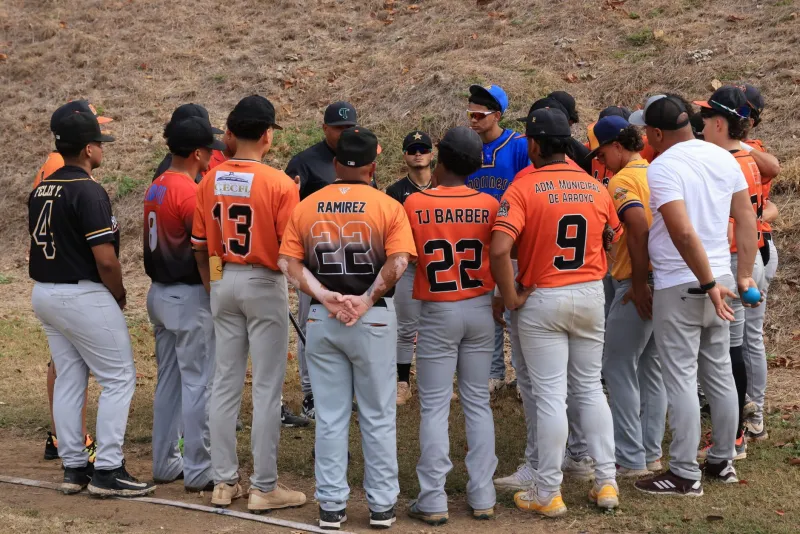
Mic'd Up and Monetized: The MLB Players Turning Personal Brand Into Big Business
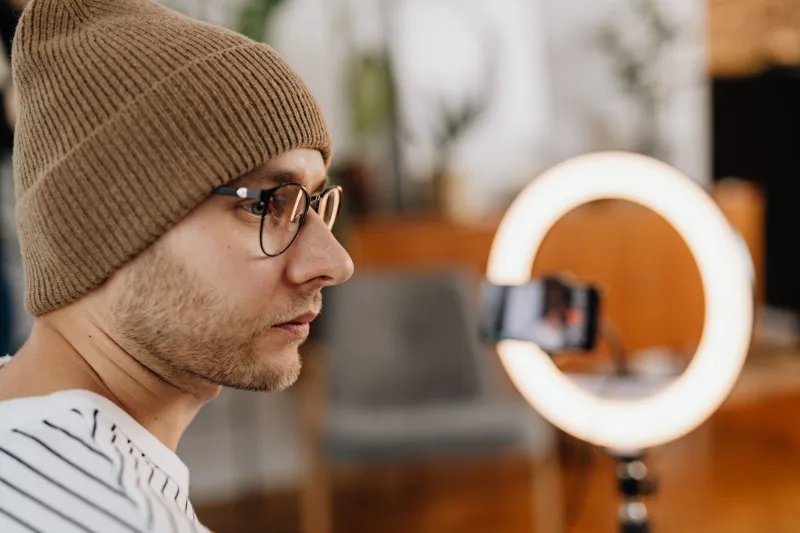
The Locker Room Used to Stay in the Locker Room
Not that long ago, the unwritten rules of baseball extended well beyond the batter's box. You didn't flip your bat. You didn't show up the pitcher. And you definitely didn't go home after a game and tell the internet what the manager said during the fifth-inning pitching change.
That era is pretty much over.
A growing number of current and recently retired MLB players are building genuine media operations — podcasts with real listener numbers, YouTube channels with production budgets, social media presences that command sponsorship rates that would make some regional sports networks blush. And they're doing it on their own terms, without a network executive deciding what stories get told.
The Pioneers Who Cracked the Door Open
It's worth acknowledging that athletes building personal brands isn't entirely new. Derek Jeter had his media company. Alex Rodriguez has been everywhere since he retired. But those are post-career pivots by players who'd already cashed in every chip available to them on the field.
What's different now is the timeline. Players are building audiences while they're still active, and they're using platforms that didn't exist a decade ago to do it.
Trevor Bauer is probably the most polarizing example — and whatever your opinion of him off the field, his Bauer Outage YouTube channel was a legitimate content operation that pulled back the curtain on pitching mechanics, training, and player-management dynamics in ways that traditional sports media almost never does. Love him or not, he proved the audience was there.
On the more universally embraced side, you've got guys like Zack Hample — okay, he's not a player, but the broader fan-content ecosystem he helped normalize matters — and more recently, active players who've figured out that authentic storytelling beats a polished press conference every single time.
The Podcast Boom Hits the Diamond
Audio has become a particularly powerful lane for baseball personalities, partly because the sport lends itself to long-form conversation in a way that football and basketball sometimes don't. A 90-minute podcast about the mental side of hitting or the unwritten code of a clubhouse? Baseball fans will absolutely sit with that.
Former players have been especially effective here. C.J. Nitkowski turned his pitching career into a broadcasting and content career that spans multiple formats. The Baseball Isn't Boring podcast and similar shows have carved out loyal audiences by treating the game's nuances with genuine depth rather than hot-take energy.
What's notable is the business model behind some of these operations. Sponsorships from sports betting platforms, equipment brands, and even financial services companies targeting young male audiences have made some of these shows genuinely lucrative. A podcast with 50,000 consistent downloads per episode can generate mid-six-figure annual revenue from the right sponsorship mix. For a player in the middle years of a modest MLB contract, that's not nothing.
YouTube as the New Spring Training Diary
The video side has gotten interesting in a slightly different way. Rather than pure commentary, some players are using YouTube as a kind of extended access pass for fans who want to see the life behind the life.
Training vlogs, travel content from road trips, batting practice breakdowns filmed on a phone — it sounds simple, but the authenticity is exactly the point. Fans who've watched polished highlight packages their whole lives are genuinely hungry for the unfiltered version, and a player who's willing to show the early morning workouts and the frustrating slumps alongside the walk-off moments builds a kind of loyalty that a 15-second Nike ad can't buy.
Several players in the 25-to-32 age range have started treating their social presence as a legitimate asset class. One guy who plays for a mid-market team — and who asked not to be named because he didn't clear it with the front office — told us he's made more from a single YouTube sponsor integration than from his entire first professional signing bonus. That number isn't meant to be taken literally, but the direction of travel it implies is real.
The Streaming Frontier
Twitch and streaming platforms represent the newest frontier, and baseball is just starting to figure out what to do there. The NBA has been ahead of the curve here — players like Josh Hart have built genuine Twitch audiences just by being entertaining humans who happen to also be professional athletes.
Baseball's version of this is still emerging. A few players have done live Q&A streams during the offseason. Some have experimented with watching their own at-bats with fans in real time and breaking down what they were thinking. The interactive element — fans asking questions, getting actual answers — creates a connection that no amount of carefully managed media training can replicate.
The challenge for baseball specifically is the season schedule. Playing 162 games across six months doesn't leave a ton of bandwidth for consistent content creation. The players who've cracked this tend to be disciplined about batching content — recording a bunch of material during a homestand, then scheduling it out over a road trip. It's more like running a small media business than most people realize.
What the Teams Think About All This
Front offices have mixed feelings, and that's being diplomatic. On one hand, players with large personal followings bring eyeballs to the team brand. A shortstop with 800,000 Instagram followers is doing some amount of free marketing every time he posts in his uniform.
On the other hand, independent player voices are harder to manage. A player with his own platform doesn't need the team's media relations department to tell his story. That's a shift in power that some organizations are more comfortable with than others.
The smartest teams are leaning into it — giving players more access, more flexibility, and in some cases, actual production support to create content that benefits both the player's brand and the team's. The ones still trying to lock it down are mostly just losing the battle quietly.
The Diamond as a Content Studio
Here's the thing about baseball that makes it uniquely suited to this moment: the game is full of stories. The rituals, the superstitions, the tactical chess matches, the decades of history — it's rich material, and for most of the sport's existence, it's been filtered through a pretty narrow set of voices.
Now those stories are getting told directly. By the people who lived them. On platforms they control. And the audience is showing up.
That's not a threat to baseball. That's baseball getting interesting again.