Pitching Against the Odds: How MLB Teams Are Using Science to Keep Players on the Field Longer
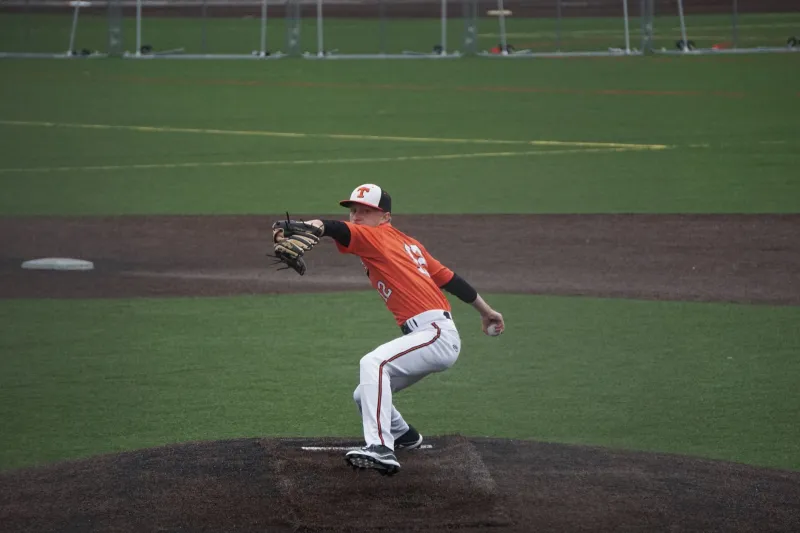
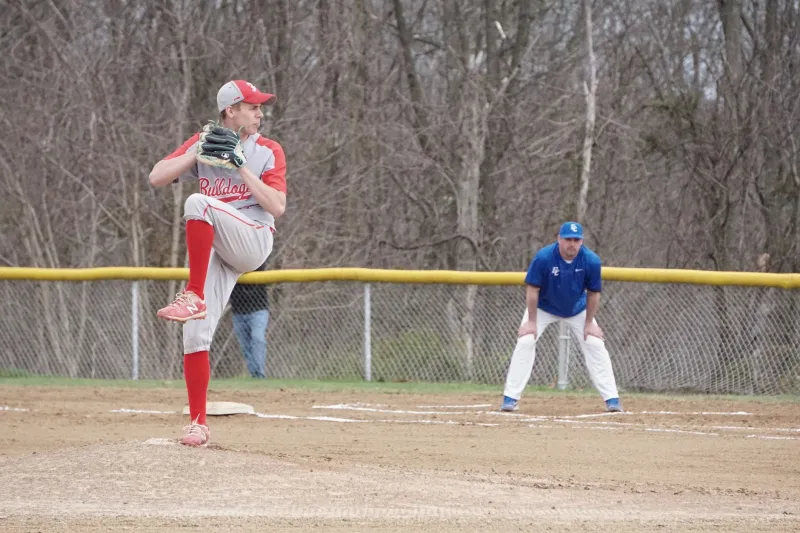
There's a moment every baseball fan dreads. The pitcher grabs his elbow. The trainer jogs out from the dugout. The stadium goes quiet. What follows — the slow walk off the mound, the weeks of uncertainty, the surgery rumors — has become an all-too-familiar storyline in modern baseball.
But behind the scenes, a quiet revolution is underway. MLB organizations are pouring resources into sports science departments that would've looked like science fiction just a decade ago. The goal? Stop that moment from happening in the first place.
The Biomechanics Lab Is the New Bullpen
Walk into the training facilities of several top MLB franchises today and you're as likely to find motion-capture cameras and force plates as you are batting cages. Biomechanics labs — once the exclusive domain of university research programs — have become standard infrastructure for organizations serious about player health.
These setups track everything from the angle of a pitcher's elbow at maximum external rotation to the subtle hip-shoulder separation patterns that can quietly signal stress accumulating in the ulnar collateral ligament. The UCL, of course, is the ligament at the center of Tommy John surgery — the procedure that has become so common in professional baseball that many scouts now factor a pitcher's surgical history into their draft evaluations.
The data collected in these labs doesn't just describe what's happening. Increasingly, it predicts what's about to happen. Predictive modeling tools, fed by years of biomechanical data, can flag mechanical inefficiencies that correlate with injury risk — sometimes months before a player feels any discomfort at all.
"We're not just reacting to injuries anymore," one sports scientist working with an AL team explained. "We're trying to have a conversation with the body before it starts screaming at us."
Wearables: The Stats You'll Never See on the Scoreboard
The wearable technology market has exploded across professional sports, and baseball has embraced it with particular enthusiasm. Devices sewn into compression sleeves or attached to a pitcher's forearm can now measure arm stress in real time — tracking the torque placed on the elbow and shoulder with every single throw.
Companies like Motus Global have developed tools specifically designed for baseball players, giving pitchers and their coaches live feedback on workload metrics that were previously invisible. Think of it as a pitch count, but instead of just counting throws, it's measuring the actual physical demand of each one. A 95-mph fastball to a lefty hitter in the seventh inning carries a very different stress profile than the same pitch thrown in the second.
Some teams have gone even further, integrating wearable data with recovery tracking tools that monitor sleep quality, hydration levels, and heart rate variability. The idea is to build a full picture of a player's physiological readiness on any given day — and adjust training loads accordingly.
For position players, similar technologies are being applied to track sprint mechanics, lateral movement patterns, and the repetitive stress that outfielders absorb over a 162-game season. It turns out the wear and tear of baseball isn't limited to the mound.
Recovery Protocols That Go Way Beyond the Ice Bag
Ice packs and ibuprofen aren't going anywhere. But they've been joined by a remarkably sophisticated toolkit of recovery interventions that teams are deploying with increasing precision.
Hyperbaric oxygen chambers, blood flow restriction training, and neuromuscular electrical stimulation are now relatively common in MLB clubhouses. Cryotherapy units — essentially super-cold chambers that drop the body's surface temperature dramatically — have become a postgame ritual for many players dealing with chronic soreness.
Perhaps more interesting than any single gadget, though, is the growing emphasis on load management as a strategic tool rather than just a medical one. The idea that players need to be protected from cumulative fatigue — not just acute injury — has reshaped how teams think about spring training workloads, travel schedules, and even lineup decisions late in the season.
This shift hasn't been without controversy. Fans sometimes bristle when a star player sits out a game against a tough opponent for what the team calls "rest." But the data increasingly supports the approach. Players who are managed carefully through the grind of a long season tend to perform better in October — and stay healthier into the next year.
Case Studies: Careers Extended by the Numbers
The proof, ultimately, is in the outcomes. And there are real stories emerging from this sports science revolution that would have been hard to imagine in previous generations.
Consider the wave of pitchers who have quietly overhauled their mechanics based on biomechanical analysis — adjusting arm paths, stride lengths, or hip engagement patterns in ways that reduced stress on vulnerable joints. Several veterans who appeared to be in career decline have found second winds after working with biomechanics specialists who identified fixable inefficiencies in their deliveries.
Position players have their own version of this story. Athletes dealing with recurring hamstring issues have used gait analysis and targeted strength programming to address the underlying movement patterns driving their injuries — rather than simply treating the symptoms every time they flare up.
Team physicians are careful not to oversell the technology. Injuries still happen. Surgeries still occur. Baseball is a physically demanding sport played at an intensity that pushes the human body to its limits. But the consensus among sports medicine professionals in the game is clear: the tools available today give players a genuine edge in the fight against breakdown.
The Human Element Still Matters
For all the sensors and algorithms and predictive models, the sports scientists and team physicians working in this space are quick to emphasize something important: the technology only works when players actually engage with it.
Building trust with athletes — getting a 22-year-old pitching prospect to take a rest day seriously, or convincing a veteran to modify a delivery that's worked for him his entire life — requires the kind of relationship and communication skills that no algorithm can replicate. The best sports science programs in baseball succeed not just because of their tools, but because of the people using them.
The diamond, after all, is still a human place. Every pitch still tells a story written by a person, not a machine. But increasingly, the teams helping those people stay healthy long enough to keep telling their stories are the ones with the smartest science behind them.