Small Towns, Big Dreams: The Minor League Ballparks That Built the Majors
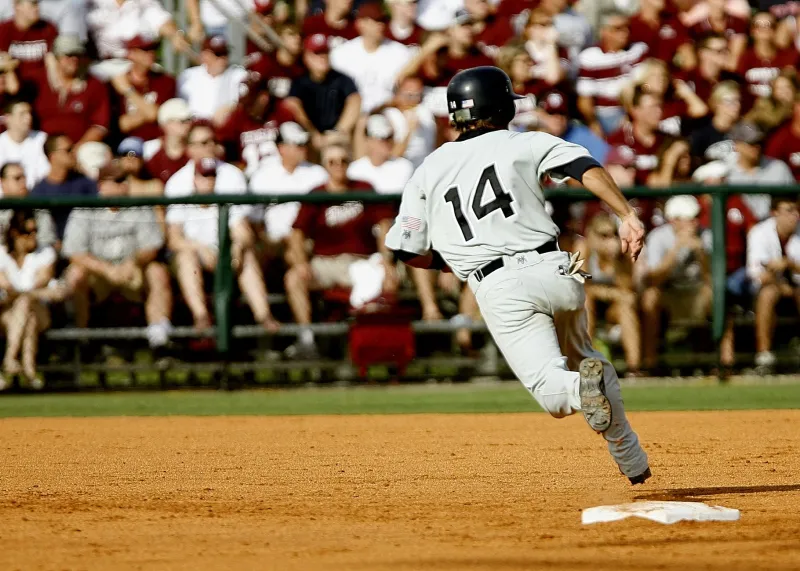
There's something about a minor league ballpark on a warm Tuesday night in July that you just can't replicate anywhere else in sports. The smell of cheap hot dogs drifting over the outfield fence. Kids chasing foul balls down the third-base line. A crowd of maybe 4,000 people — half of them regulars who know the bat boy by name — cheering for a 22-year-old shortstop who might be a household name in three years or might be back home working construction by October.
That's the minor leagues. Unpredictable, intimate, and quietly essential to everything we love about baseball.
More Than a Pit Stop
It's easy to treat the minors as a waiting room — a place where prospects kill time until they're ready for the real show. But ask any player who's spent meaningful time in the low levels of professional ball and they'll tell you a different story. The minor leagues don't just develop arms and bats. They develop people.
"Triple-A is where you figure out who you actually are as a baseball player," said one outfielder who spent parts of four seasons in the Pacific Coast League before earning his first big league call-up. "The fans there know the game. They're not casual. They watch you every night, and they remember everything. That accountability — that's what made me sharper."
That kind of connection between player and community is almost impossible to manufacture at the major league level, where rosters are enormous, contracts are guaranteed, and a player can disappear into the machinery of a 30-city franchise without anyone really noticing. In Midland, Texas, or Eugene, Oregon, or Wilmington, Delaware, you're a known quantity. You sign autographs after every game. You eat at the same diner on road trips home. You become part of the fabric of a town in a way that most big leaguers never experience.
The Stadiums Themselves Are Characters
Talk to any baseball lifer and they've got a minor league ballpark story. Maybe it's Rickwood Field in Birmingham, Alabama — the oldest professional baseball park still standing in the country, a place so steeped in history it practically talks back to you. Or maybe it's Fluor Field in Greenville, South Carolina, a lovingly crafted replica of Fenway Park complete with a Green Monster in left field, sitting right in the middle of a revitalized downtown.
These parks aren't accidents. Many of them were built or renovated with the explicit goal of anchoring their communities — drawing families downtown, giving local businesses a reason to stay open late, giving people something to gather around. In an era when so many American small cities are searching for identity, a ballpark can be a surprisingly powerful answer.
The Savannah Bananas, based out of Historic Grayson Stadium in Savannah, Georgia, have turned this idea into a full-blown cultural phenomenon. Their brand of trick-play, entertainment-first baseball has sold out stadiums across the country and introduced a new generation of fans to the experience of being at a game rather than just watching one. They started as a Coastal Plain League team playing in a 100-year-old ballpark, and now they're a national brand. That kind of story only happens in the minors.
The Grind Nobody Talks About
For all the charm, it'd be dishonest not to acknowledge the other side of minor league life. Players in the lower levels — Rookie ball, Single-A, High-A — often earn poverty-level wages, share apartments with four teammates, and ride overnight buses between cities that barely show up on Google Maps. The Minor League Baseball reform package that took effect in recent years brought some improvements to pay and living conditions, but the grind remains real.
"I was making something like $400 a week in my first year," recalled one pitcher who eventually made it to a big league rotation. "I was eating peanut butter sandwiches and splitting a two-bedroom with three other guys. But I'd do it again in a heartbeat, because every single day I was playing baseball and getting better. That's all I wanted."
That willingness to sacrifice — to play for almost nothing in front of crowds that might be smaller than your high school graduation — is part of what makes the minor leagues such an effective filter. The players who stick around long enough to develop aren't just talented. They love the game in a way that's almost irrational. And that love tends to show up later, when the pressure is highest.
Fan Bases That Refuse to Let Go
One of the most underrated stories in all of American sports is the loyalty of minor league fan bases. These aren't casual consumers. In places like Durham, North Carolina — home of the Bulls, made famous by that Kevin Costner movie but beloved long before and after — fans have supported their team through decades of roster turnover without blinking. The players change every season. The jerseys stay the same. The connection is to the ballpark, the tradition, the community — not the individual.
That's a different kind of fandom than what you find at the big league level, and in some ways it's purer. Nobody in Binghamton, New York is rooting for the Rumble Ponies because of a fantasy baseball lineup or a national broadcast. They're there because it's Tuesday and the family needs somewhere to go, and because their dad took them to this same ballpark twenty years ago, and because there's something about watching live baseball under the lights that no streaming service has managed to replace.
The Pipeline Nobody Sees
Every single player in Major League Baseball passed through this world. Every ace closer who strikes out the side in Game 7. Every cleanup hitter who launches a walk-off in October. At some point, they were the nervous kid in a bus seat, trying to figure out how to hit a breaking ball in front of 2,000 people in some mid-sized city that most of the country couldn't find on a map.
The minor leagues are where baseball's future is being written right now — quietly, unglamorously, in the best possible way. The next generation of stars is out there somewhere tonight, taking grounders in the late afternoon sun, trying to earn a phone call that changes everything.
If you haven't been to a minor league game recently, do yourself a favor and fix that. Grab a $6 beer, find a seat behind the dugout, and watch a kid who's giving everything he has to earn the right to play on a bigger diamond someday. It's the most honest version of baseball you're going to find anywhere.
And honestly? It might just be the best seat in the house.