The Grass Whisperers: Meet the Field Crews Who Turn Dirt and Clay Into MLB Masterpieces
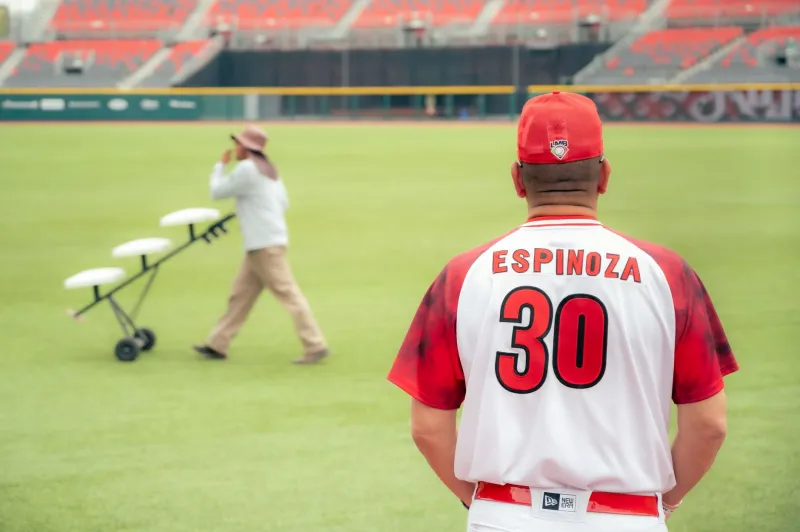
Most fans show up to the ballpark thinking about the lineup card, the starting pitcher, maybe the nachos. Almost nobody walks through the gates wondering about the soil composition of the infield or the precise slope of the pitcher's mound. But somebody sure does — and that somebody has probably been at the stadium since before sunrise.
MLB groundskeepers are among the most underappreciated professionals in all of sports. They don't throw 98 mph, they don't hit walk-off homers, and you won't see their faces on a trading card. But without them, the diamond doesn't exist. Literally.
The Man Behind the Mound
Take a guy like Zach Zeigler, who spent years as head groundskeeper for the Cleveland Guardians organization. Zeigler, like most of his peers, didn't stumble into the job — he studied turf management, logged thousands of hours maintaining fields at the minor league level, and worked his way up through a profession that demands equal parts horticultural knowledge and obsessive attention to detail.
"People think we just mow the grass and drag the dirt," Zeigler has said in interviews. "But we're managing a living system. Every day is different."
That living system starts with the grass itself. Most MLB stadiums now use a hybrid Kentucky bluegrass blend — a cool-season variety chosen for its durability, recovery speed, and the way it holds up under the punishment of a 162-game schedule. Warm-weather parks like those in Miami or Phoenix often work with bermudagrass instead, which thrives under intense sun and heat. Getting the right variety for your climate isn't optional; it's survival.
The Clay Is the Star
If the grass is the canvas, the infield clay is the sculpture. And this is where groundskeeping gets genuinely scientific.
The standard MLB infield mix is typically a blend of three components: sand, silt, and clay. The proportions matter enormously. Too much sand and the surface plays too loose — grounders skip unpredictably, and players lose their footing. Too much clay and the field gets rock-hard when dry, dangerously slick when wet. Most head groundskeepers shoot for something in the neighborhood of 40% clay, 40% sand, and 20% silt, though those numbers shift depending on the stadium, the climate, and — here's where it gets interesting — what the home team's front office wants.
Yes, you read that right. Field composition can be a strategic tool.
Legend has it that groundskeeping crews for certain teams have historically manipulated the basepath conditions around first base to slow down speedy opposing baserunners, keeping the dirt a touch softer and deeper to create drag. The batter's box can be subtly built up to give a home team's power hitters a more stable platform. None of this is technically illegal under MLB rules, which gives head groundskeepers a quiet kind of power that nobody in the press box is tracking.
Engineering the Mound
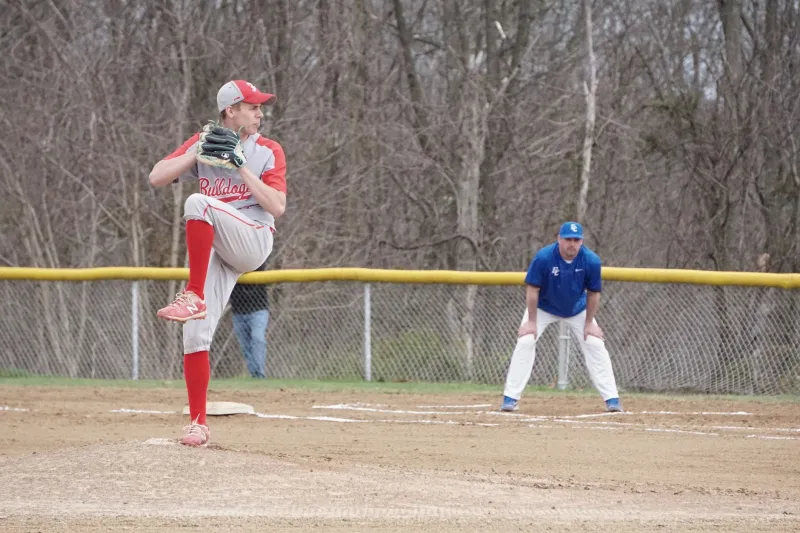
The pitcher's mound is its own universe of regulation. MLB rules are specific: the mound must be exactly 10 inches above home plate level, with the pitching rubber sitting precisely 60 feet, 6 inches from the back point of home plate. The slope from the rubber forward drops exactly 1 inch per foot for the first 6 feet.
Maintaining those specs across a full season is genuinely hard. Every pitcher works the mound differently. Some guys dig a deep landing hole with their stride foot. Others barely leave a mark. By the third inning of a heavy workload game, the mound can look like a small construction zone. Groundskeeping crews monitor it between half-innings, adding clay, tamping it down, and keeping moisture levels consistent so the surface doesn't crack or crumble mid-outing.
The clay used for mounds is often a different mix than the infield — denser, with higher clay content — because it needs to hold its shape under repeated, forceful impact. Some crews use what's called "Turface" or similar calcined clay products to manage moisture absorption and keep the surface from getting too sticky or too dry depending on game-day weather.
Reading the Weather Like a Pitcher Reads a Hitter
Speaking of weather — groundskeepers are amateur meteorologists by necessity. A rain delay isn't just an inconvenience for fans; it's a full-scale emergency response for the field crew. Infield tarps, which can weigh several thousand pounds when wet, have to be deployed and removed by hand. The timing matters enormously. Pull the tarp too late and you're looking at a waterlogged infield that takes hours to fix. Leave it on too long after rain stops and you risk overheating the grass underneath.
Humidity, wind direction, overnight temperatures — all of it factors into how a field crew preps the surface on any given day. A hot, dry afternoon in July requires a completely different pre-game watering strategy than a cool, overcast day in April. Groundskeepers are essentially managing a micro-ecosystem, and the variables never stop changing.
The Warning Track: More Than Just a Visual Cue
Here's one detail most fans never think about: the warning track isn't just there to look nice or mark a boundary. Its texture is intentional. That distinctive crushed brick or cinder composition — reddish-brown and coarser than the infield — is designed to give outfielders a tactile signal under their cleats when they're approaching the wall at full sprint, eyes locked on a fly ball. The moment a fielder's feet hit that different surface texture, they know the wall is close even without looking.
Getting that texture right is its own science. Too fine and it blends into the outfield grass without giving enough feedback. Too coarse and it creates a tripping hazard. The depth of the material, typically around 4 to 6 inches, also affects how it plays under different weather conditions.
Unsung Heroes, Genuine Craft
When you add it all up — the grass science, the clay chemistry, the mound engineering, the weather management, the strategic subtleties — what you've got is one of the most complex jobs in professional sports. And the people doing it are almost entirely invisible to the average fan.
That's worth changing. The next time you're watching a night game and the infield looks like a perfectly groomed piece of art under the stadium lights, take a second to appreciate that somebody was out there at 6 a.m. making it happen. The diamond doesn't build itself.
At Diamonds Pro Ball, we believe every pitch tells a story — but so does every blade of grass, every inch of clay, and every carefully measured slope on that mound. The groundskeepers are writing that story before the players ever take the field, and it's about time we started reading it.