Bases Loaded with Purpose: The Coaches Turning Vacant Lots Into Launching Pads
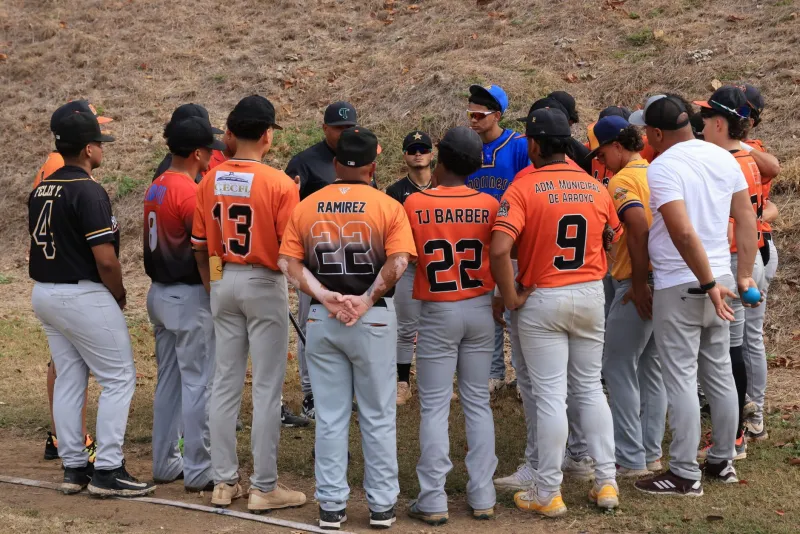
There's a particular kind of magic that happens when a kid picks up a baseball for the first time. The weight of it. The seams under the fingertips. For most of us, that moment is a memory wrapped in Little League jerseys and weekend games. But for thousands of kids growing up in under-resourced communities across the United States, that moment doesn't come easily — if it comes at all.
That's where a growing network of grassroots baseball programs is stepping up to the plate.
From the South Side of Chicago to the sun-baked fields of East Los Angeles, coaches and community organizers are using America's oldest pastime as a vehicle for something much bigger than the game itself. They're building confidence, creating pathways to college, and — in some cases — literally saving lives.
More Than a Batting Average
Ask Marcus Delgado, founder of the South Side Sluggers program in Chicago, why he coaches, and he won't mention strikeout stats or championship titles. He'll tell you about the kid who showed up to practice three days after losing a family member to gun violence — because the dugout was the only place he felt safe.
"Baseball gives these kids structure when everything around them feels like chaos," Delgado says. "You have to show up. You have to be accountable to your teammates. Those aren't just baseball lessons — that's life."
The South Side Sluggers, founded in 2017, serves over 200 kids annually between the ages of 8 and 17. Beyond practice drills and game days, the program offers tutoring sessions, mental health check-ins, and mentorship from local professionals. Nearly 80 percent of their high school-aged players go on to attend college — a stat that would be impressive anywhere, but is especially remarkable given the systemic barriers many participants face.
The Equipment Gap Nobody Talks About
One of the most under-discussed obstacles in youth baseball isn't talent — it's access. A full set of baseball gear, including cleats, a glove, batting helmet, and uniform, can easily run $200 to $400. For families already stretched thin, that price tag is a non-starter.
Organizations like Reviving Baseball in Inner Cities (RBI), a program operated under the umbrella of Major League Baseball, have spent decades trying to close that gap. With chapters in over 200 cities, RBI provides free equipment, coaching, and league fees to kids in underserved communities. Since its founding in 1989, the program has introduced baseball and softball to more than 200,000 young people.
But national programs can only do so much. The real groundwork is often laid by local heroes — coaches who spend their own money on batting gloves, who drive kids to away games, who keep the lights on through bake sales and GoFundMe campaigns.
In Houston's Fifth Ward neighborhood, former minor leaguer Terrence "T-Bone" Williams runs a program out of a community rec center with a cracked asphalt field and a batting cage he built himself from PVC pipe and netting. His roster? Seventeen kids who'd otherwise have nowhere to go after school.
"I didn't make it to the Show," Williams admits with a grin. "But maybe one of these kids will. And even if they don't, they'll be better men for having played."
When the Field Becomes a Classroom
The academic benefits of youth sports programs are well-documented, but baseball's particular rhythm — the patience required, the strategic thinking, the individual accountability within a team structure — seems to translate especially well to the classroom.
A 2022 study by the Aspen Institute's Project Play found that kids who participated in organized team sports were significantly more likely to graduate high school and less likely to experience anxiety and depression than their non-participating peers. Baseball programs in underserved areas are increasingly leaning into that data.
The Diamond Dreams Academy in Newark, New Jersey, has embedded an academic component directly into its program structure. Players must maintain a 2.5 GPA to stay on the roster — no exceptions. Tutors are available before and after every practice. The result is a waiting list of kids wanting to join, not because of the baseball, but because parents have watched the program's graduates head off to four-year universities.
"We use baseball as the hook," says academy director Priya Vasquez. "Once we've got their attention, we can talk about everything else — school, health, career goals. The sport opens the door."
Breaking the Demographic Mold
It's no secret that baseball has been grappling with its own diversity problem at the professional level. Black players, who made up nearly 19 percent of MLB rosters in 1986, account for less than 7 percent today. Programs like those run by Delgado, Williams, and Vasquez represent the front line of efforts to reverse that trend.
But for many coaches, the demographic mission is secondary to the human one. Yes, they'd love to see more players who look like their kids making it to the big leagues. But they're equally motivated by the idea of a kid in their program becoming a teacher, an engineer, a small business owner — someone who stays in the neighborhood and invests back into it.
"The pipeline to the majors is one pipeline," Delgado says. "But the pipeline to a good life? That's what we're really building."
Finding the Diamonds
Here at Diamonds Pro Ball, we believe every pitch tells a story. But some of the most compelling stories in this sport aren't being told on manicured MLB fields — they're unfolding on cracked asphalt diamonds in neighborhoods where hope can feel like a scarce resource.
The coaches running these programs aren't looking for fame or funding press releases. They're looking for the next kid who walks onto the field with nothing but potential and leaves with a future. And if you ask them, that's a better deal than any contract in the majors.
If you want to support programs like these, organizations including RBI, the Roberto Clemente Foundation, and the Jackie Robinson Foundation all accept donations and volunteers. Because sometimes the most important thing you can do for the game you love is make sure more kids get to play it.