Reading the Room: How Body Language Science Is Quietly Reshaping MLB Scouting
For decades, the bible of baseball scouting was built on five tools: hit, hit for power, run, throw, and field. You showed up with a radar gun, a stopwatch, and a sharp eye for mechanics. Simple. Clean. Measurable.
But somewhere between the Moneyball revolution and today's hyper-analytical front offices, a quieter shift has been happening — one that doesn't show up on a stat sheet and can't be measured in miles per hour. Scouts and team psychologists are increasingly studying how players move, react, and carry themselves under pressure. Not just what they do with the bat or glove, but what their bodies are saying when nobody's asking them a direct question.
Welcome to the intersection of behavioral psychology and professional baseball — a space that's becoming one of the sport's most fascinating new frontiers.
The Tell You Can't Train Away
Everybody's got one. A microexpression after a called strike. The way a pitcher's shoulders drop half an inch when he falls behind in the count. The batter who bounces on his heels in the box versus the one who goes completely still. These aren't random tics — according to behavioral experts who've started consulting with MLB organizations, they're windows into how a player will handle a 162-game grind, a September pennant race, or the bottom of the ninth in Game 7.
"The physical tools get a player to the door," says one behavioral consultant who works with a National League club and asked to remain anonymous due to organizational confidentiality. "But what we're trying to figure out is whether he can actually walk through it when the pressure is real and the lights are bright."
What scouts used to call "makeup" — that old-school, hard-to-define quality that separates a gamer from a guy who fades — is now being broken down into something far more structured. Teams are hiring psychologists who specialize in nonverbal communication, and those consultants are sitting in the stands at high school showcases and Double-A games with clipboards that look nothing like traditional scouting reports.
What They're Actually Watching
So what does a body language evaluation actually look like in practice? It's more nuanced than you might expect.
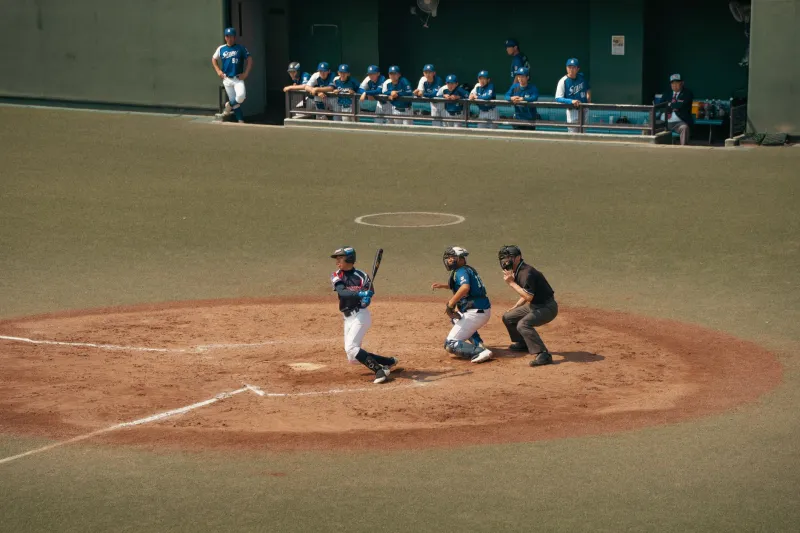
Pre-pitch routines are a big one for hitters. The best evaluators aren't just watching whether a guy has a routine — they're watching how consistent that routine is across different counts, different innings, and different game situations. A batter who takes the exact same three breaths and toe tap when he's up 3-0 in the first as he does when he's down 0-2 with the bases loaded in the eighth is demonstrating something valuable: emotional regulation under stress.
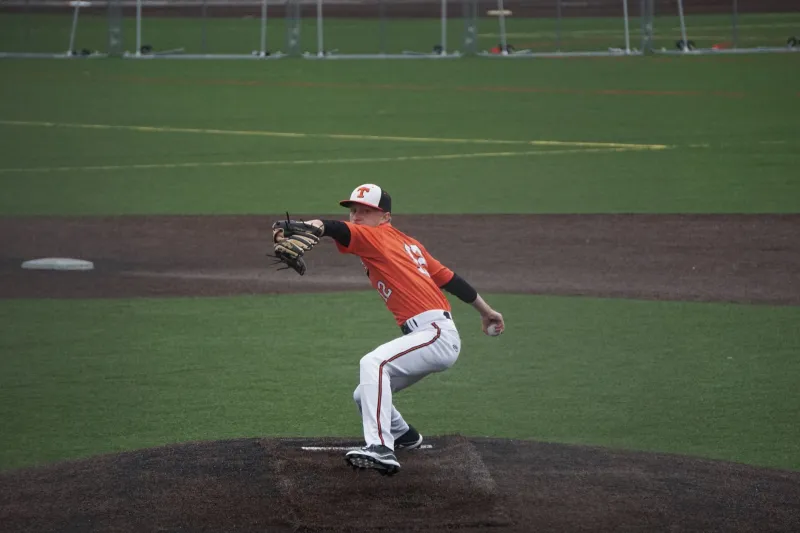
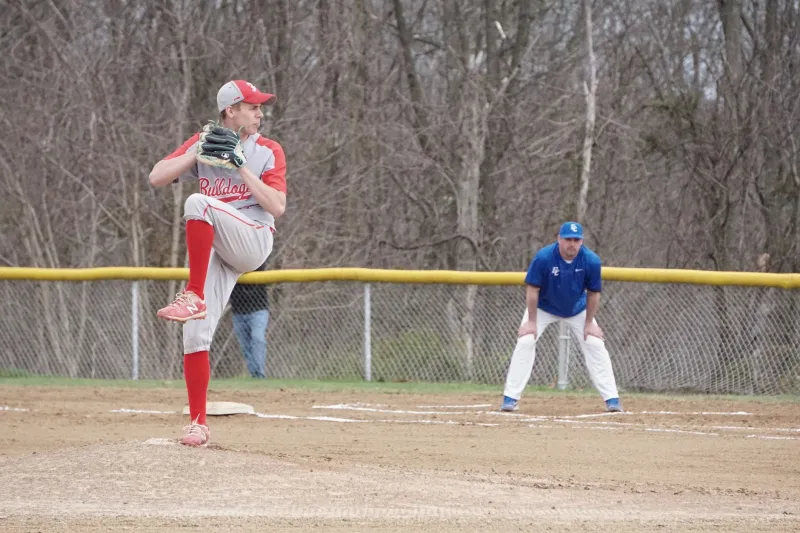
For pitchers, the tells are different but equally telling. Watch how a starter walks back to the mound after giving up a leadoff double. Does he look at his feet? Does he kick the rubber? Does he take an extra moment before getting the sign, or does he rush to get back on the rubber as if speed can outrun the mistake? Behavioral consultants say that recovery behavior — not the mistake itself — is often the most predictive data point in a pitcher's entire outing.
"Anyone can give up a hit," explains Dr. Renee Castillo, a sports psychologist based in Phoenix who has consulted with professional organizations at both the minor and major league levels. "What I'm watching is the 45 seconds after. That's where you find out who someone really is."
The Skeptics Still Exist — And They Have a Point
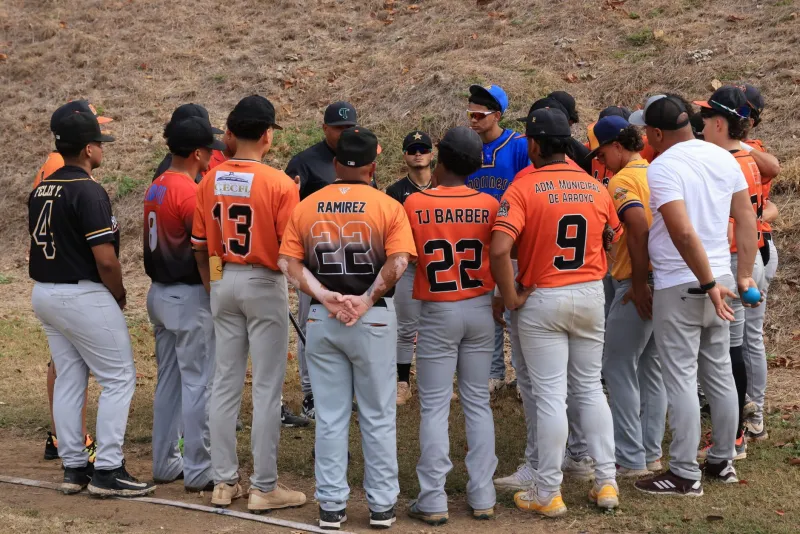
Not everyone in the game is sold on this approach, and that's a fair conversation to have. There's a legitimate concern about over-reading behavior that might simply be cultural, habitual, or situational rather than psychological. A player who grew up in the Dominican Republic or Venezuela may express emotion and composure in ways that look different from a kid out of a Texas high school — and misreading those differences could lead to biased evaluations that disadvantage international prospects.
Several scouts interviewed for this piece raised that concern directly. "You have to be really careful about projecting your own cultural expectations onto what 'confident' looks like," said one area scout with 15 years of experience covering the Southeast. "I've seen guys get passed over because they seemed too emotional on the field, and those same guys turned into absolute warriors in the big leagues."
The better behavioral consultants acknowledge this openly. The goal, they say, isn't to find players who fit a single psychological mold — it's to understand each player's individual baseline and then measure how they perform relative to that baseline when the stakes climb. A naturally expressive player isn't a red flag. A naturally expressive player who goes completely flat when he makes an error? That might be worth a longer look.
From the Stands to the Draft Room
The practical applications of this work are starting to show up in some unexpected places. A few organizations have begun building behavioral profiles into their pre-draft processes, combining traditional scouting data with structured behavioral observations taken across multiple games and settings. Some teams are even revisiting old scouting footage of prospects through a behavioral lens — essentially going back to watch the body language in games where the player didn't know he was being evaluated for anything other than his swing.
Others are using the data during spring training to identify which players in a crowded roster battle are handling competition pressure well versus who's pressing. The idea isn't to cut someone based on a shrug or a grimace — it's to flag patterns that can then be addressed with mental skills coaches before they become bigger problems.
"We're not trying to replace the eye test," says Dr. Castillo. "We're trying to make the eye test smarter."
The Bigger Picture
At its core, this movement reflects something baseball has always known but struggled to quantify: talent alone doesn't make a career. The sport has always had a soft spot for the grinder, the competitor, the guy who finds a way to beat you even when his stuff isn't electric. What's changing is that teams are getting more systematic about identifying those qualities early — before a prospect has spent three years in the minors proving it the hard way.
For fans, it's a reminder that every game tells multiple stories at once. The box score captures one version. The pitch data captures another. But somewhere in the way a shortstop adjusts his cap after booting a grounder, or the way a reliever stares in for a sign after walking the bases loaded — there's a story being told that no stat can fully capture.
That's always been the magic of baseball. And now, apparently, there are people in the stands getting paid to read every word of it.